How to Lower Medicare Costs in 2027 with Smart In-Home Strategies
Find An Agent
Search your ZIP code to find trusted Medicare agents near you.
Trusted by Thousands of Seniors Nationwide

How to Lower Medicare Costs in 2027 with Smart In-Home Strategies
The cost of goods and services in the United States is rising faster than earnings. More than three-fourths of Americans identify the cost of living as their primary economic concern, and a Gallup survey shows that 55% of Americans report that recent price increases have been a hardship on their ability to maintain their standard of living.
Medicare isn’t exempt from rising costs, with premiums set to increase in 2027. This guide covers what’s changing with premiums, deductibles, and drug pricing next year and gives you some strategies to save, whether that’s through home remedies, AI-powered tools, or telehealth visits.
Understanding Medicare Costs and Changes in 2027
Medicare’s annual trustee report projects a $209.50 monthly Part B premium for 2027, up from $202.90 in 2026, and the Part B annual deductible is expected to range from roughly $292 to $310. The Centers for Medicare & Medicaid Services (CMS) typically finalizes official premiums and deductibles each November.
Those aren’t the only monetary Medicare increases expected for 2027. The Part A hospital deductible for next year is projected to be between $1,788 and $1,810, the Part D out-of-pocket cap will most likely climb to $2,400 (up $300 from 2026), and the standard Part D deductible rises to $700, an increase of $85. Once you hit the annual cap, your cost for covered drugs drops to $0 for the rest of the calendar year.
The table below summarizes the key projected 2027 figures alongside 2026 for comparison:
| 2027 Medicare Cost | Projected Amount | 2026 Comparison |
|---|---|---|
| Part B monthly premium | ~$209.50 (est. up to $221.00) | $202.90 |
| Part B annual deductible | ~$292–$310 | Lower |
| Part A hospital deductible | ~$1,788–$1,810 | Lower |
| Part D out-of-pocket cap | $2,400 | $2,100 |
| Part D standard deductible | $700 | $615 |
Higher earners should watch for the Income-Related Monthly Adjustment Amount (IRMAA) surcharge, which is calculated from tax returns filed two years earlier. For 2027, estimated Part B surcharges for individuals earning $112,001-$142,000 begin around $87.40 above the standard premium, scaling higher at greater income levels.
There is good news on drug pricing. CMS announced earlier this year that the drug companies that manufacture all 15 drugs payable under Medicare Part B and/or covered under Medicare Part D selected for the third cycle of negotiation have chosen to participate in the Medicare Drug Price Negotiation Program. Effective January 1, 2027, it builds on the first round of Medicare drug price negotiation from 2026.
Insulin stays capped at the lesser of $35 a month or 25% of the negotiated price. Medicare continues covering adult vaccines recommended by the Advisory Committee on Immunization Practices (ACIP) with no deductible or copay.
Be aware of late enrollment penalties. Skipping Part B without qualifying employer coverage adds a 10% penalty per 12-month period for as long as you have the coverage. The Part D penalty, which is applied if you go 63 days or more without Part D or other creditable prescription drug coverage, adds about one percent of the national base premium per uncovered month. Late Part A enrollment adds a 10% penalty for twice the number of years you were eligible but not enrolled.
The Impact of Plan N Copays on Healthcare Spending
Medigap Plan N is one of ten standardized Medigap plans available in 2026 and 2027, with coverage terms that are the same nationwide except in Massachusetts, Minnesota, and Wisconsin. Plan N has the third-largest share of Medigap enrollment, covering roughly 10% of policyholders. Its lower premium suits beneficiaries who don't expect frequent visits with their doctor.
Plan N is different from Plan G in that it applies a copay of up to $20 for some office visits and as much as $50 for ER visits that don't result in an inpatient admission. Plan N also doesn't cover Part B excess charges. Those are the extra amounts, up to 15% above the Medicare-approved rate, that a doctor who doesn't accept Medicare assignment may charge. In exchange, Plan N premiums typically run lower than Plan G premiums.
The copays add up quickly, as a Medicare beneficiary who visits the doctor ten times a year could pay up to $200 in Plan N office-visit copays. That's why so many enrollees look for ways to save money with Medicare Plan N copays by being selective about which visits require an in-person appointment versus a home remedy, e-visit, or telehealth call. These strategies are for minor, non-urgent health concerns. If you're managing a serious or worsening condition, always see a licensed healthcare provider.
Many carriers also offer household discounts in the 5% to 12% range. Ask your agent directly about what's available in your state. For a more in-depth breakdown, see AAMSI's Plan G vs. Plan N comparison and Medigap household discounts guide.
| Feature | Plan G | Plan N |
|---|---|---|
| Monthly premium | Higher | Lower |
| Office visit copay | None | Up to $20 |
| ER visit copay (non-admission) | None | Up to $50 |
| Part B excess charges | Covered | Not covered |
| Best for | Frequent office visits | Fewer, planned visits |
How Home Remedies Can Reduce Office Visit Costs
Before calling your doctor’s office to schedule an appointment, it's worth considering whether a home remedy or a lower-cost e-visit might resolve the issue just as well. For Plan N enrollees, every avoided office visit means up to $20 saved in copays, plus the time and waiting-room exposure of an in-person appointment. Home remedies for seniors are among the simplest, lowest-cost tools for managing minor, everyday health concerns.
Common conditions that often respond well to home care consist of:
- Minor cold and flu symptoms: rest, hydration, honey for cough, and a saline nasal rinse
- Mild muscle or joint pain: ice or heat therapy, gentle stretching, and over-the-counter (OTC) topical treatments
- Minor digestive issues: ginger tea, dietary adjustments, and probiotics
- Seasonal allergies: saline rinse, local honey, closed windows, and OTC antihistamines
- Minor skin irritations: aloe vera, oatmeal baths, and cold compresses
Home remedies are appropriate only for minor, non-emergency conditions. Always seek professional care for chest pain, difficulty breathing, sudden weakness, a high fever, or any symptom that worsens or doesn't improve.
Trusted resources such as the National Center for Complementary and Integrative Health and the Health in Aging Foundation offer reviewed guidance on safe home remedies for seniors. Treating home remedies as part of a prevention-first mindset instead of a substitute for necessary care is the safest way to reduce office visit costs over time.
How Home Remedies Can Reduce Office Visit Costs
Although not a substitute for comprehensive medical care, artificial intelligence (AI) can be useful when you’re deciding whether your symptoms can be improved by a home remedy or you should schedule a doctor's visit. Tools like ChatGPT, Google AI overviews, Microsoft Copilot, and dedicated health chatbots can help you quickly research symptoms and reasonable next steps.
An AI health assistant is a software tool that uses artificial intelligence to analyze symptoms, suggest remedies, check drug interactions, and help decide when professional care is genuinely needed. According to a study, AI and AI-assisted interventions aiming to improve communication between patients and physicians, monitor drug consumption, and empower patients, and ultimately increase adherence levels may lead to better clinical outcomes and increase the quality of life of NCD patients.
Use the following steps to use AI to evaluate your health concerns:
- Describe your symptom in plain language to an AI assistant.
- Ask what home remedies are commonly recommended, and when to see a doctor instead.
- Cross-reference the AI's suggestions with a trusted source, such as Mayo Clinic or the National Institutes of Health (NIH).
- If the AI suggests professional care for a non-major health concern, consider a telehealth e-visit before booking an in-person appointment.
AI tools can also help you with medication management by flagging potential drug interactions, reminding you to take doses on schedule, and prompting questions about generic alternatives you can ask your pharmacist about. You can even use AI to research generic drugs and discounts from pharmaceutical manufacturers.
Chest pain, breathing trouble, high fever
Seek urgent care
Cold, ache, allergy, minor issue
or call office
Rest, fluids, OTC care
or no worse than before
No visit needed
Escalate in person if worse
For minor, non-emergency symptoms only. When in doubt, contact a provider.
Smart Home Technologies That Support Health and Safety
Smart home technology and home-based care can reduce costly emergency visits and hospital readmissions by supporting prevention, early detection, and better medication adherence. Categories of practical smart home devices to help manage your health include:
- Fall detection and prevention: smart sensors, wearable fall detectors, and motion-activated lighting
- Medication management: automated dispensers with alarms and app notifications
- Remote health monitoring: blood pressure cuffs, glucose monitors, and pulse oximeters that sync to a smartphone
- Telehealth readiness: tablets or smart displays with video calling for virtual visits
- Activity and vitals tracking: wearables that monitor sleep, movement, and heart rate to flag changes early
Medical alert systems offer immediate access to emergency help through buttons, voice activation, or automatic fall detection, plus round-the-clock monitoring. Original Medicare typically won't cover the cost, although Part C or certain Medicare Advantage plans may cover some or all of it. Monthly fees for these products range from approximately $20 to $60. If you use a health savings account (HSA) or flexible spending account (FSA), check whether any of these devices qualify as eligible, tax-advantaged expenses.
Medicare-covered home health services can prevent hospitalizations for high-risk, homebound beneficiaries, and combining smart devices with these services leverages both clinical and technology pathways to lower total costs. Research indicates that these systems can even make people more active around the house.
| Device Type | Price Range | Reimbursement | Key Features |
|---|---|---|---|
| Medical alert systems | $20–$60/month | Not covered by Original Medicare; some MA plans cover part/all | Emergency button, fall detection, 24/7 monitoring |
| Automated medication dispensers | $50–$150 + $20–$50/month | Sometimes OTC/HSA/FSA eligible | Scheduled alarms, missed-dose tracking |
| Remote monitoring devices | $30–$150/device | Eligible under Medicare's RPM benefit when prescribed | Syncs to smartphone, shareable with care team |
| Telehealth-ready tablets/displays | $100–$250 | Occasionally in MA OTC/wellness allowance | Video calling, provider portal access |
| Wearable activity/vitals trackers | $100–$400 | Occasionally bundled into MA wellness perks | Heart rate, sleep, fall detection, GPS |
| Smart home safety sensors | $20–$100/sensor | HSA/FSA eligibility varies | Automatic lighting, inactivity/fire alerts |
Combining Medicare Benefits with Home-Based Care Options
Medicare covers part-time or intermittent skilled home health care when it's medically necessary, ordered by a physician, and the beneficiary is certified as homebound. This is available under Original Medicare and Medicare Advantage. Covered services can include skilled nursing care, physical and occupational therapy, limited home health aide support, and necessary medical supplies, as long as a qualifying provider documents an in-person visit within the required window.
Beneficiaries can combine coverage by bundling coverage through a Medicare Advantage (Part C) plan or layering additional policies onto Original Medicare (Parts A and B). Medicare Advantage often bundles dental, vision, and hearing extras with an annual OOP cap, while Original Medicare plus Medigap offers broader nationwide provider access but fewer built-in extras. Those who qualify for both Medicare and Medicaid may also be eligible for a Dual Eligible Special Needs Plan, which coordinates both without any loss of Medicaid eligibility.
Many Medicare Advantage plans now include small, targeted benefits that can be paired with smart home tools. Some Medicare Advantage plans reimburse up to $150 per year for covered wellness activities, such as acupuncture, nutritional counseling, fitness, and massage therapy. The Medicare wellness reimbursement does not cover pre-packaged meals, books, videos, scales, or similar supplies.
Some Medicare Advantage plans also include an OTC allowance that averages $400 annually per beneficiary. The allowance is loaded onto a prepaid card or catalog account for eligible wellness items, such as:
|
|
|
Original Medicare doesn't include this benefit, so Medigap enrollees can instead redirect their Plan N premium savings toward home health tools and OTC supplies. Because networks, formularies, and benefit levels can change yearly, it's important to review your Annual Notice of Change (ANOC) instead of simply assuming your 2027 Medicare coverage matches that of 2026.
Practical Steps to Use Smart Home Remedies to Save Money
Turning these recommendations into action doesn't have to be complicated, and you don't need to tackle every step at once. Following is a simple, repeatable checklist for you to use:
- Assess your needs: Identify your top health concerns, whether that's fall risk, medication management, a chronic condition, or frequent minor illnesses.
- Review your plan benefits: Check your Medicare or Medigap policy for OTC allowances, tech reimbursements, home health eligibility, and telehealth coverage.
- Prioritize low-cost devices: Start with the highest-impact, lowest-cost tools, such as a medication dispenser, fall sensor, or telehealth-ready tablet.
- Stock a home remedy kit: Use OTC allowances or quarterly credits to buy basic supplies like first aid items, pain relievers, allergy medication, and a thermometer.
- Use AI tools for triage: Before scheduling an office visit, consult an AI health assistant to weigh whether a home remedy or e-visit fits the situation.
- Track your outcomes: Monitor office visits avoided, medication adherence, and emergency visits over time to see your real savings.
Also, consider asking about cash prices and lower-cost alternatives for prescriptions and medical devices to reduce your medical bills.
Financial Strategies to Effectively Manage Medicare Expenses
In addition to home remedies, there are other financial tools you can use to lower your total Medicare spending. HSAs offer triple tax advantages, including deductible contributions, tax-free growth and withdrawals. Once you're enrolled in Medicare, existing HSA funds can be used tax-free for Parts B, Part D, and Medicare Advantage premiums and other qualifying costs. Medicare Advantage Medical Savings Accounts work similarly, but they typically don't include drug coverage on their own.
Building a monthly healthcare sinking fund is another easy option. Set aside a fixed amount each month specifically for anticipated medical expenses to mitigate irregular costs while reducing stress from surprise bills.
For higher earners, strategies that help manage Modified Adjusted Gross Income and reduce IRMAA exposure consist of qualified charitable distributions from an IRA, Roth conversions timed for lower-income years, spreading large capital gains across multiple years, and filing Form SSA-44 after a qualifying life-changing event like retirement.
For your prescriptions, compare retail against mail-order pricing, ask about generics and manufacturer coupons, check tools like GoodRx, and explore patient assistance programs. Along with comparing in-network doctors and hospitals ahead of time to avoid unexpected balance-billing charges, this can add up to meaningful savings.
Tips for Maximizing OTC Allowances and Reimbursements
Many Medicare Advantage and supplemental plans include quarterly or annual OTC allowances that can help you pay for the home remedy supplies discussed earlier in this article. For example, HMO plan members can get up to $150 ($250 for Smart Saver Rx members) toward the full retail price of prescription or contact lenses and frames) from a provider in the EyeMed network. Smart Saver Rx plan members also can get $75 ($20 for PPO RX members) per calendar quarter to spend on OTC health-related items.
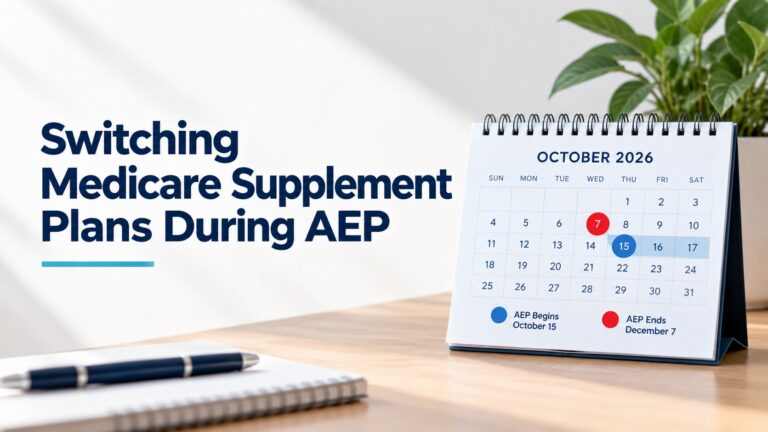
Average allowance values are decreasing, with some plans shifting from monthly stipends to smaller quarterly amounts of approximately $45–$60 per quarter. General OTC cards remain available to most enrollees, but healthy food and utility credits now require chronic condition verification because of Value-Based Insurance Design (VBID) rules. Again, watch diligently for your ANOC, typically mailed in September or October, and consider comparing plans during Open Enrollment (October 15 – December 7) if your current plan is cutting benefits on which you rely.
Follow these habits to help you get full value from what your plan offers:
- Stock up on frequently used essentials early in the benefit period, since unused quarterly balances typically don't roll over.
- Use every redemption channel available (online catalogs, retail stores, and member portals), and check for partner-pharmacy discounts.
- Submit reimbursement claims through your plan's portal for eligible purchases not covered at checkout.
- Review your plan's Evidence of Coverage annually, since eligible items and allowance amounts vary by carrier.
If a provider doesn't bill Medicare directly, file Form CMS-1490S yourself with an itemized bill. Claims generally must be submitted within 12 months, and denied claims can be appealed within 120 days.
How Telehealth and E-Visits Can Lower Out-of-Pocket Costs
Telehealth has become one of the more dependable ways to lower Medicare costs by reducing higher-cost events such as emergency department visits and hospital readmissions. Medicare Part B covers telehealth services with the standard 20% coinsurance after the deductible, and many Medicare Advantage plans offer $0 copays for virtual visits.
A pre-pandemic analysis of Medicare Advantage claims found a six percent reduction, about $242 per episode of care, when members were diverted to telehealth instead of an emergency department. The study also found less use of imaging, laboratory tests, and antibiotics.
The use of telehealth by Medicare enrollees is projected to result in $540 million in savings by 2029. Increased adoption of telehealth and remote patient monitoring (RPM) helped Medicare ACOs realize three areas of savings:
- An 8.3% decrease in per capita spending
- A 14.6% reduction in acute inpatient spending
- A 7.5% decrease in outpatient costs
What’s the difference between a telehealth visit and an e-visit? A telehealth visit is a real-time video or audio appointment with a licensed healthcare provider, typically from your own home, whereas an e-visit is an asynchronous, text-based consultation through a patient portal. An e-visit is typically the lower-cost option since it skips the live appointment altogether. For Medicare Plan N enrollees, a live telehealth visit may still result in the usual $20 copay, but a portal e-visit often does not, although it's worth confirming with your plan.
Telehealth pairs with home remedies by allowing you to attempt a home remedy first. If your symptoms persist, consider scheduling an e-visit or telehealth appointment. If your health isn’t improved after the home remedy and telehealth and e-visits, schedule an in-person appointment with your doctor. A one-time investment in a telehealth-ready tablet can pay for itself after a few avoided office visits, and this three-tier triage approach allows you to reserve in-person doctor’s visits for your more serious or prolonged health issues.
Frequently Asked Questions
What is the easiest way to lower my Medicare costs in 2027?
Compare plans during Open Enrollment, review your Annual Notice of Change, and use home remedies or telehealth visits to reduce unnecessary office-visit copays, especially valuable on Medigap Plan N.
How can home remedies help reduce healthcare spending with Plan N?
Since Plan N applies a copay of up to $20 per office visit, home remedies for seniors managing minor ailments like colds or seasonal allergies can eliminate several copays a year while leaving room to see a provider when it's necessary.
What smart home devices are covered or reimbursed by Medicare plans?
Some Medicare Advantage plans offer OTC allowances or wellness reimbursements that partially offset devices like blood pressure monitors or medication dispensers, though coverage varies by plan and should be confirmed with your carrier.
How do Medicare drug pricing changes affect my out-of-pocket costs in 2027?
Fifteen additional high-cost drugs move to federally negotiated prices on January 1, 2027, building on 2026's first round of negotiated pricing and the $35 monthly insulin cap.
Where can I find assistance for managing Medicare expenses and benefits?
AAMSI at MedicareSupp.org connects you with licensed agents who can help you compare Medigap plans, identify discounts, and build a personalized savings strategy. You can also get started with an agent here.
For more guidance, see AAMSI's rundown of the biggest mistakes to avoid during Medicare's Annual Enrollment Period, and browse more Medicare insights on MedicareSupp.org.